In today’s competitive digital landscape, website performance plays a crucial role in attracting and converting high-value customers. For businesses selling premium services, enterprise software, consulting solutions, and other high-ticket offerings, even subtle website performance lags can significantly affect lead generation. A website may appear visually appealing and professionally designed, but if it takes too long to load, respond, or display important information, potential customers may lose interest before reaching out. Website performance optimization is no longer just a technical requirement; it is a critical factor in lead conversion, customer experience, and business growth.
The Hidden Cost of Website Performance Delays
High-ticket buyers typically invest considerable time researching potential service providers before making a purchasing decision. They compare multiple businesses, evaluate credibility, explore service offerings, and look for signs of professionalism. When a website responds slowly, even by a fraction of a second, it can interrupt this research process and create unnecessary friction. Research from Portent found that B2B lead-generation websites loading in one second achieved conversion rates approximately three times higher than websites loading in five seconds. Although actual results vary between businesses, the findings demonstrate how closely website speed and conversion performance are connected.
Why High-Ticket Customers Are Sensitive to Website Lags
Unlike low-cost purchases, high-ticket conversions often involve substantial financial commitments, multiple decision-makers, and longer sales cycles. Customers expect businesses offering expensive solutions to deliver a professional and reliable digital experience. A slow-loading website, delayed navigation, or unresponsive contact form can create doubts about the company's technical capabilities and attention to detail. These seemingly minor issues may influence whether a prospect trusts the business enough to schedule a consultation or request a proposal.
Website performance also affects the first impression of a brand. When visitors encounter delays while exploring service pages, pricing information, case studies, or testimonials, they may perceive the business as less reliable. In high-value sales environments, where trust and credibility are essential, a poor digital experience can weaken the relationship before the sales conversation even begins.
How Subtle Performance Issues Disrupt the Lead Conversion Funnel
Website performance problems rarely appear as obvious failures. Instead, they create small interruptions throughout the customer journey. A visitor might experience a delayed homepage, slow-loading service descriptions, lagging interactive elements, or a contact form that takes several seconds to respond. Individually, these issues may seem insignificant, but together they create friction that discourages visitors from completing important actions.
The impact becomes particularly noticeable on high-intent landing pages. Businesses often invest heavily in paid advertising, search engine optimization, and content marketing to attract qualified prospects. However, when these visitors encounter a slow website, the marketing investment may fail to produce the expected results. A prospect who clicks on a carefully targeted advertisement may leave before understanding the company's offering, resulting in wasted acquisition costs and missed opportunities.
The Role of Core Web Vitals in High-Ticket Lead Generation
Google's Core Web Vitals provide useful indicators for understanding website performance and user experience. These metrics focus on how quickly important content appears, how responsive a website feels, and whether its layout remains visually stable during loading.
Largest Contentful Paint (LCP) measures how quickly the main content becomes visible. Interaction to Next Paint (INP) evaluates how responsive a website is to user interactions, while Cumulative Layout Shift (CLS) measures unexpected layout movement. Google's recommended thresholds for a good user experience are an LCP of 2.5 seconds or less, an INP of 200 milliseconds or less, and a CLS score of 0.1 or less.
For businesses focused on high-ticket lead generation, these metrics are particularly important on service pages, consultation booking pages, lead forms, and pricing sections. Optimizing these elements can help create a smoother browsing experience and reduce barriers between initial interest and conversion.
Common Website Performance Issues That Cost Businesses Leads
Several technical factors can contribute to subtle website performance problems. Oversized images, excessive JavaScript, poorly optimized third-party scripts, inefficient hosting, and unnecessary plugins can increase loading times and reduce responsiveness. Complex animations and heavy visual elements may also affect performance, particularly on mobile devices.
Mobile optimization deserves special attention because potential clients frequently browse websites using smartphones while commuting, attending meetings, or researching solutions on the go. A website that performs well on a desktop but struggles on mobile can create inconsistent experiences and reduce the chances of converting valuable visitors.
Contact forms and booking systems are another frequently overlooked problem. When these elements load slowly, fail to respond immediately, or require unnecessary steps, interested prospects may abandon the process. Businesses should ensure that their conversion-focused features remain fast, accessible, and easy to use across devices.
Website Speed Optimization as a Revenue Strategy
Improving website performance should be treated as a business investment rather than simply a technical maintenance task. Faster websites can improve the experience of existing visitors, strengthen engagement, and help businesses make better use of their marketing traffic. Instead of continuously increasing advertising budgets to attract more visitors, companies can focus on improving the percentage of existing visitors who become qualified leads.
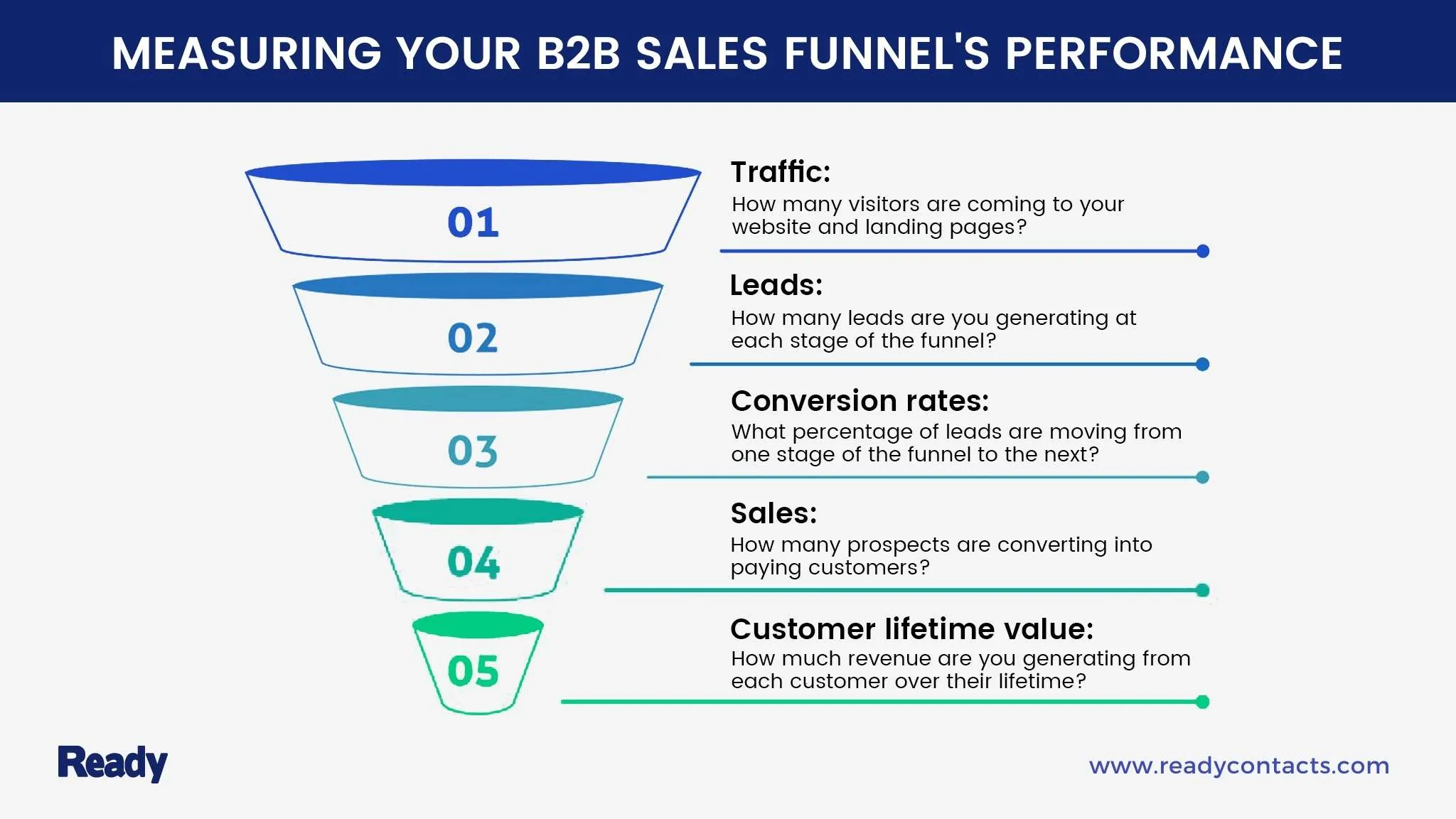
For example, imagine a business attracting 5,000 monthly website visitors and generating 50 leads through its website. If performance improvements and other conversion-focused changes increase its lead conversion rate from 1% to 1.5%, the business could generate 75 leads from the same traffic volume. This hypothetical example illustrates how even a modest improvement in conversion rate can create meaningful growth without requiring additional traffic acquisition.
The financial value of this improvement becomes even more significant when each qualified lead represents a potentially high-value contract. Businesses should therefore evaluate website performance alongside conversion rates, cost per lead, customer acquisition costs, and sales pipeline contribution.
How Businesses Can Improve Website Performance
The first step toward improving website performance is identifying where delays occur. Tools such as Google PageSpeed Insights, Lighthouse, and Google Search Console can help businesses assess performance, identify technical bottlenecks, and monitor Core Web Vitals. Real-user performance data should be considered alongside laboratory testing to understand how visitors experience the website under different conditions.
Businesses can then prioritize improvements based on their impact on important conversion journeys. Optimizing images, reducing unnecessary scripts, implementing caching, improving server response times, and using content delivery networks can help reduce loading delays. Developers should also review third-party integrations and ensure that essential website elements remain responsive.
Performance testing should be an ongoing process rather than a one-time activity. Websites frequently become slower as new plugins, marketing tools, features, and content are added. Regular monitoring helps businesses identify performance regressions before they begin affecting lead generation and customer experience.
Why Website Performance Matters for Long-Term Business Growth
A high-performing website supports more than immediate lead conversions. It contributes to stronger brand credibility, better user engagement, improved search visibility, and a more consistent digital experience. When potential customers can access information quickly and interact with website features effortlessly, businesses create a stronger foundation for building trust and nurturing long-term relationships.
For high-ticket businesses, the difference between a successful website and an underperforming one may not always be visible in its design. The real difference often lies in how efficiently the website guides visitors from discovery to decision-making. Every unnecessary delay creates another opportunity for a prospect to leave and explore a competitor.
Conclusion
Subtle web performance lags can quietly undermine high-ticket lead conversions by increasing friction, weakening trust, and interrupting the buyer journey. From delayed content loading to unresponsive forms, small technical issues can create significant obstacles for businesses that depend on qualified leads and high-value sales opportunities.
Devobyte helps businesses recognize the importance of website performance, technical optimization, and user-focused development in building effective digital experiences. By prioritizing speed, responsiveness, and conversion-focused design, businesses can create websites that not only attract potential customers but also support meaningful engagement and sustainable growth.
Investing in website performance optimization today can help businesses build a stronger digital presence, improve lead generation efficiency, and ensure that valuable sales opportunities are not lost because of avoidable technical delays.
To read more such articles kindly visit : Devobyte