Introduction
The way customers discover businesses is changing rapidly. Traditionally, potential customers searched for a product or service on Google, clicked through several websites, compared their options, and eventually filled out a contact form or made a purchase. Today, the process is becoming more complex as users increasingly rely on AI-powered search engines, conversational assistants, and instant search summaries to find answers without visiting multiple websites. This shift has created a new challenge for businesses: how to win customers and capture leads when users never leave Google or an AI platform.
For businesses, marketers, and sales teams, the solution is not simply to attract more website traffic. Instead, the focus must shift toward building visibility, establishing trust, and creating opportunities for conversion across the platforms where customers already spend their time. This approach requires a combination of search engine optimization (SEO), generative engine optimization (GEO), useful content, strong brand positioning, and frictionless lead-generation strategies.
Understanding the Rise of Zero-Click Search and AI Discovery
Zero-click search occurs when users find the information they need directly on a search results page without clicking through to another website. Google's featured snippets, knowledge panels, AI-generated summaries, and other search features can answer questions immediately. Similarly, AI platforms can recommend products, explain services, and compare businesses within a conversation. Although these experiences improve convenience for users, they can reduce organic website visits and make traditional traffic-focused marketing strategies less effective.
However, fewer clicks do not necessarily mean fewer business opportunities. When customers discover a brand through an AI-generated recommendation or a Google search summary, they may develop awareness and trust before visiting its website. Businesses that appear consistently in relevant search results and AI-generated answers can influence purchasing decisions even when users do not immediately click through. The challenge is to convert this visibility into measurable business outcomes, including qualified leads, inquiries, product trials, and sales.
Optimize Your Brand for Google and AI Search
Traditional SEO remains important, but businesses must also consider how AI-powered search systems discover, interpret, and recommend information. Generative engine optimization focuses on improving a brand's chances of being accurately represented in AI-generated responses. This involves publishing clear, helpful, original, and well-structured content that directly answers the questions potential customers are asking.
Businesses should create content around specific customer problems, product comparisons, industry questions, pricing considerations, and purchasing decisions. Instead of relying exclusively on broad keywords, marketers should target conversational queries such as "Which CRM is best for a growing sales team?" or "How can a small business automate lead management?" Clear headings, descriptive page titles, concise explanations, credible evidence, and relevant internal links make content easier for users and search systems to understand.
Technical SEO also remains essential. Fast-loading pages, mobile-friendly design, crawlable content, accurate business information, and structured data where appropriate help search engines interpret a website. While no SEO or GEO technique guarantees inclusion in AI-generated answers, providing useful information and maintaining a consistent digital presence can improve the opportunities for discovery.
Build Brand Authority Before Customers Click
When users rely on Google or AI assistants to evaluate their options, brand credibility becomes a major competitive advantage. Businesses need to establish authority across multiple relevant sources rather than depending entirely on their own websites. Industry publications, expert interviews, customer reviews, reputable directories, professional communities, and credible third-party mentions can strengthen brand recognition and help potential buyers evaluate a company.
Publishing original insights is another effective strategy. Businesses can share practical case studies, customer success stories, research findings, expert opinions, and detailed explanations of common industry challenges. Such content provides value beyond generic information and gives customers stronger reasons to remember a brand. Consistent messaging across a company's website, social media profiles, business listings, and other digital channels also helps prevent confusion.
The goal is to become a recognizable and trustworthy option when customers ask questions related to a business's products or services. Rather than focusing only on ranking for individual keywords, companies should build a reputation that makes their brand relevant to the entire customer decision-making process.
Capture Leads Without Depending on Website Traffic
One of the biggest challenges of zero-click search and AI discovery is that visibility does not automatically provide businesses with a prospect's contact details. A brand might appear in an AI answer or search summary without receiving a direct website visit. Therefore, businesses need to create multiple conversion opportunities across their marketing channels while respecting platform rules and user privacy.
Social media can help bridge this gap. A useful LinkedIn post, an educational video, a webinar, or a detailed industry discussion can encourage interested users to follow a brand, send a message, subscribe to updates, or request a consultation. For B2B companies, LinkedIn can be particularly valuable for connecting with decision-makers and building relationships before a formal sales conversation begins.
Businesses can also use permission-based email subscriptions, downloadable resources, free assessments, product demonstrations, and consultation offers to encourage prospects to share their information voluntarily. These offers should solve a specific problem rather than simply asking users to sign up for a newsletter. For example, a CRM provider might offer a sales pipeline assessment or a lead-management checklist that helps businesses identify operational gaps.
Where a platform supports business profiles, messaging, lead forms, or booking features, companies can use those tools to reduce the number of steps between discovery and conversion. The key is to make the next action easy, relevant, and transparent without assuming that every platform allows direct lead capture or provides access to user identities.
Use Conversational Marketing to Turn Interest into Action
As customers become accustomed to asking questions through AI assistants and conversational search, businesses should make their own customer interactions equally convenient. Conversational marketing allows potential buyers to ask questions, receive relevant information, and move toward a purchase through messaging, chat interfaces, or live consultations.
A well-designed website chatbot can answer frequently asked questions, explain product features, qualify leads, and direct visitors toward an appropriate next step. However, chatbots should not become another barrier between customers and the information they need. They should offer clear answers, recognize when a human representative is required, and avoid making unsupported promises.
For businesses using CRM software, conversations can be connected to a structured lead-management process. With appropriate consent and integration, relevant inquiries can be recorded, assigned to sales representatives, and followed up on based on the customer's needs. This ensures that potential opportunities are not lost simply because a prospect first interacted through a social platform, messaging channel, or website assistant.
Use Customer Intent to Identify High-Quality Leads
Not every person who encounters a brand is ready to purchase. Some users are researching a problem, while others are comparing vendors or actively searching for a solution. Businesses can improve conversion rates by tailoring their marketing and follow-up strategies to these different stages of customer intent.
Informational content should help users understand their problems and available solutions. Comparison content should explain differences between products, pricing models, features, and service options. High-intent content should make it easy to request a demo, obtain a quote, book a consultation, or speak with a sales representative.
For example, someone searching for general CRM advice may benefit from an educational guide, while someone comparing CRM platforms may be more interested in a feature comparison or implementation plan. A prospect who asks about pricing or requests a demonstration may be ready for direct sales engagement. By organizing these signals in a CRM system, businesses can prioritize relevant opportunities instead of treating every interaction as an equally valuable lead.
Make Your Website a Conversion Destination, Not Just a Traffic Destination
Even when customers discover businesses through Google or AI platforms, the company website remains an important place to validate credibility and complete high-value actions. The website should therefore focus on answering practical questions, demonstrating expertise, and making conversion straightforward.
Visitors should quickly understand what the business offers, whom it serves, how it solves customer problems, and why it is different from competitors. Clear calls to action, transparent pricing information where appropriate, useful product demonstrations, testimonials, case studies, and accessible contact options can reduce uncertainty during the buying process.
Businesses should also avoid unnecessary lead-generation friction. Long forms, intrusive pop-ups, confusing navigation, and vague offers can discourage potential customers. Request only the information needed for the next step, explain how it will be used, and provide a clear benefit in return. A well-designed conversion experience can turn fewer but more relevant visits into a stronger pipeline of qualified opportunities.
Measure Visibility, Engagement, and Revenue Beyond Clicks
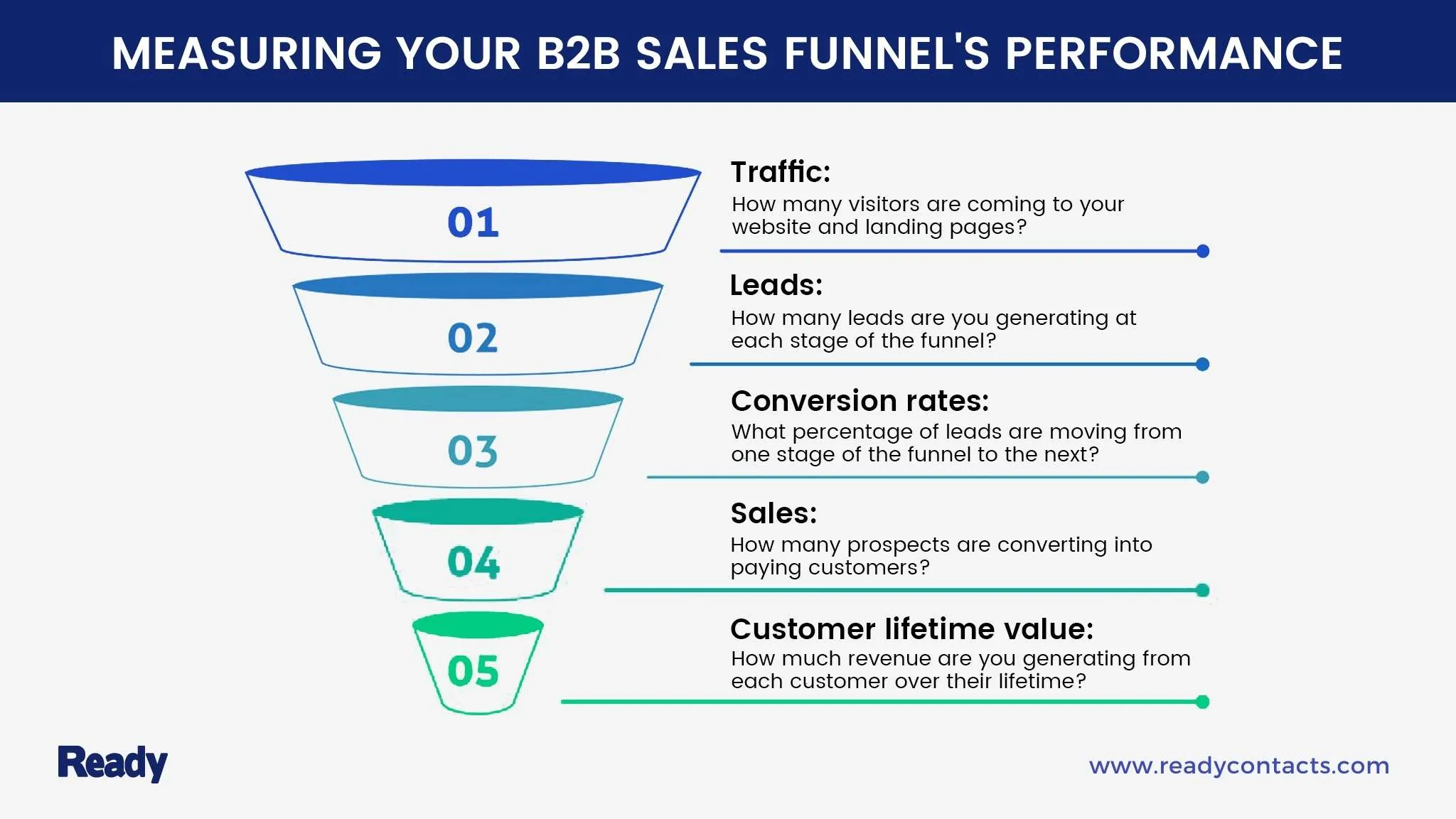
When customers discover brands without visiting their websites, traditional traffic metrics provide an incomplete picture of marketing performance. Businesses should continue tracking organic rankings, website sessions, and click-through rates, but they should also evaluate brand visibility, qualified inquiries, conversion rates, assisted conversions, and revenue generated across channels.
Useful measures may include branded search growth, referral traffic, inbound messages, demo requests, lead-to-customer conversion rates, and customer acquisition cost. Businesses can also monitor how often their brands appear for relevant search queries and AI-generated answers through suitable monitoring methods, while recognizing that AI results can vary by user, location, and query.
Connecting marketing channels with CRM and analytics systems can help businesses understand which activities contribute to actual sales. For example, a customer may discover a company through an AI-generated answer, encounter its LinkedIn content later, and eventually request a consultation through its website. A measurement strategy that considers only the final click could overlook the earlier interactions that influenced the purchase.
Build an Integrated Zero-Click and AI Search Strategy
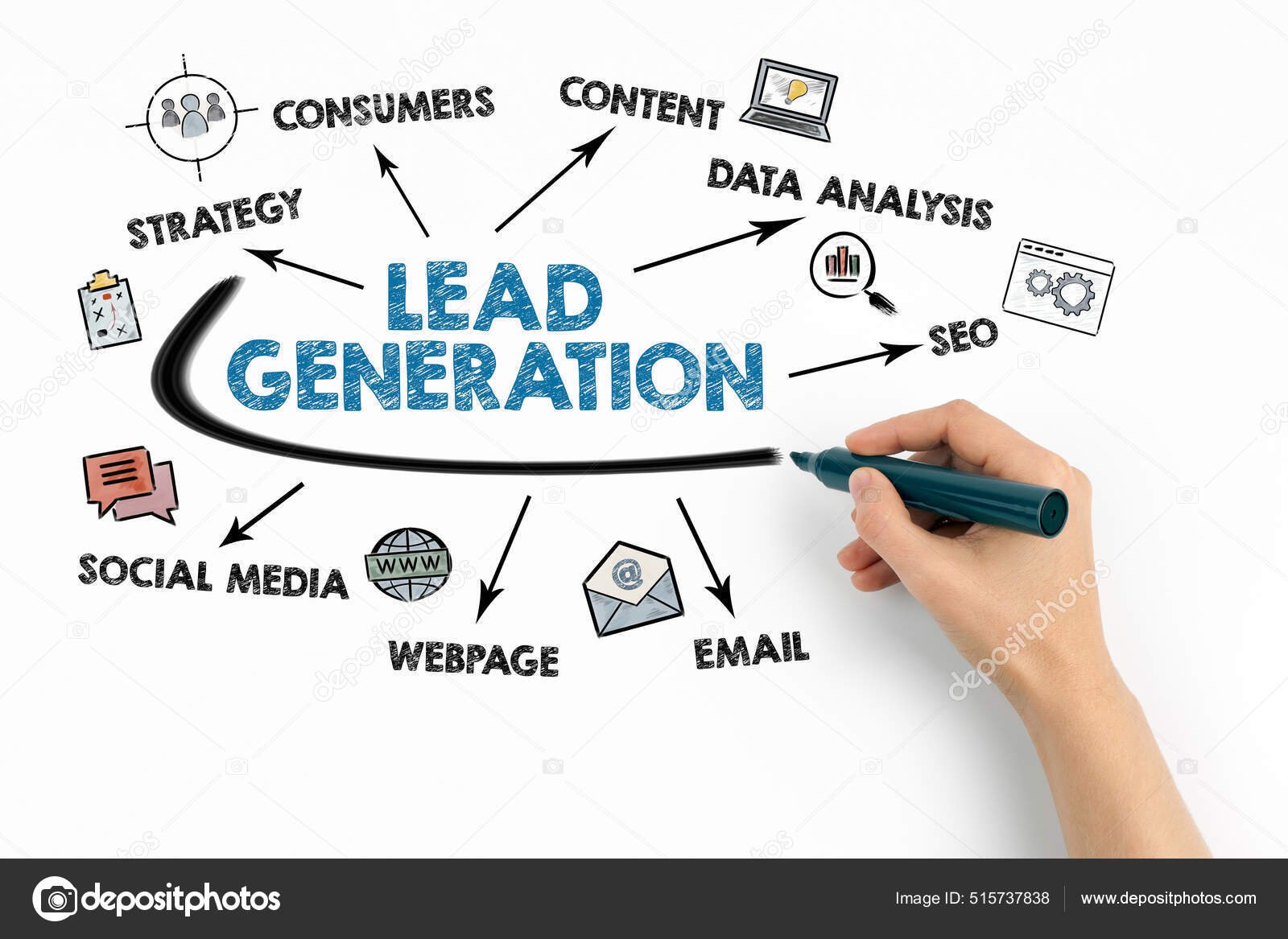
Winning customers in a zero-click environment requires businesses to coordinate their SEO, content marketing, brand-building, social media, and lead-management activities. Instead of treating every platform as an isolated marketing channel, companies should develop a connected customer journey in which each interaction reinforces the next.
A practical strategy begins by identifying the questions customers ask before making a purchase. Businesses can then create helpful content, improve their search visibility, strengthen their reputation through credible sources, and distribute useful insights across relevant platforms. Conversion opportunities should be available wherever the business has an appropriate presence, while CRM processes should organize incoming leads and support timely follow-up.
Regularly reviewing performance is equally important. Businesses should identify which topics generate qualified inquiries, which channels attract serious buyers, and which conversion experiences create unnecessary friction. These insights can guide future content, marketing investment, and sales processes.
Conclusion
Winning customers when users never leave Google or AI platforms requires a shift from traffic-first marketing to visibility-, trust-, and conversion-focused growth. Businesses can no longer rely exclusively on website visits to measure their success. They must make their expertise discoverable, establish credibility across relevant digital channels, create useful opportunities for engagement, and connect customer interactions to effective lead-management systems.
By combining traditional SEO with generative engine optimization, strong brand authority, conversational marketing, and a well-organized CRM process, businesses can improve their chances of turning search visibility into qualified leads and long-term customer relationships. The ultimate goal is not simply to earn a click. It is to become a trusted solution that customers recognize, consider, and choose when they are ready to act.
In a world where answers increasingly appear directly within search engines and AI conversations, the businesses that succeed will be those that meet customers where discovery happens and make the journey from awareness to action as relevant and effortless as possible.
To read more such articles kindly visit : Devobyte