Introduction
The way people discover information online is changing rapidly. Users no longer need to visit multiple websites to find answers to their questions. Search engine result pages, AI-powered search tools, featured snippets, knowledge panels, and social media platforms increasingly provide information directly to users. While this improves convenience for audiences, it creates a new challenge for businesses: how can brands maintain online visibility when users do not click through to their websites?
For businesses investing in digital marketing, traditional website traffic is no longer the only indicator of content marketing success. Brands must also focus on appearing in search results, being referenced by AI tools, earning audience trust, and building brand recognition across multiple digital platforms. A well-planned content marketing framework helps businesses capture this visibility, strengthen their authority, and remain relevant even when users never visit their websites.
Understanding the Zero-Click Search Phenomenon
Zero-click searches occur when users find the information they need directly on a search results page without clicking through to an external website. This behaviour is becoming increasingly relevant as search engines display featured snippets, direct answers, local results, and AI-generated summaries. Similarly, generative AI platforms can summarise information from multiple sources, allowing users to explore topics without visiting every referenced website.
Although zero-click searches can reduce organic website visits, they also create opportunities for businesses to increase brand exposure. When a company appears in a relevant search result or is mentioned in an AI-generated answer, potential customers may become familiar with its expertise before they are ready to make a purchase. The challenge is to create content that delivers value wherever audiences search while giving them a compelling reason to engage with the brand directly.
1. Build a Search Visibility Framework Around User Intent
An effective content marketing strategy begins with understanding what users want to know, rather than focusing exclusively on keywords that generate website traffic. Businesses should identify informational, commercial, navigational, and transactional search intent to understand how audiences discover and evaluate solutions.
For example, a person searching for website optimisation tips may want a quick answer, while someone comparing digital marketing agencies may be looking for evidence of expertise, case studies, and service details. Content should address both needs through concise answers, detailed explanations, and useful resources.
A practical approach is to organise content around frequently asked questions, industry challenges, comparison searches, and decision-making topics. By answering these queries clearly, businesses improve their chances of appearing in featured snippets, relevant search results, and AI-generated responses. The objective is to make the brand discoverable at every stage of the customer journey, even when the initial interaction does not generate a website visit.
2. Use Answer-First Content to Capture Search Visibility
Answer-first content is a framework that places the most useful information at the beginning of an article, followed by supporting explanations and examples. Instead of making readers navigate through lengthy introductions, businesses provide a direct response to the main question before exploring the topic in greater depth.
This approach is particularly useful for searches involving definitions, how-to questions, comparisons, and practical recommendations. Clear headings, short paragraphs, descriptive subheadings, and relevant FAQs help search engines and AI systems understand the structure and purpose of a page.
For instance, an article about improving website conversion rates could begin with a concise explanation of the most effective optimisation methods before discussing user experience, page speed, lead forms, analytics, and testing. This makes the information easier to understand and potentially easier to surface in search features. However, no content structure guarantees a featured snippet or AI citation; relevance, source quality, competition, and search-system selection also matter.
3. Develop an AI Search and Generative Engine Optimisation Framework
As users increasingly rely on AI-powered search and conversational tools, businesses should create content that is easy to understand, verify, and reference. Generative Engine Optimisation (GEO) focuses on improving the likelihood that a brand's content will be surfaced or cited in AI-generated responses. It complements traditional search engine optimisation rather than replacing it.
A strong GEO framework prioritises original insights, accurate information, clear explanations, expert perspectives, and credible supporting sources. Businesses should explain concepts in straightforward language, use descriptive headings, and include meaningful examples that demonstrate practical knowledge. Publishing original research, expert commentary, industry statistics, and case studies can also help differentiate content from generic articles that repeat information already available online.
Brands should maintain consistent and accurate information across their websites, business profiles, professional platforms, and other reputable sources. They should also monitor whether their company, services, and expertise appear in relevant AI-generated answers. While inclusion in AI responses cannot be guaranteed, creating reliable, useful, and distinctive content gives search systems stronger reasons to recognise a brand as a relevant source.
4. Repurpose Content Across Multiple Digital Platforms
Relying on a single website or search engine limits the opportunities to reach audiences. A more resilient content marketing framework distributes valuable information across channels where target customers already spend time.
A comprehensive blog post can be transformed into LinkedIn posts, short educational videos, infographics, email newsletters, discussion answers, and industry-specific resources. Each format should be adapted to the platform instead of simply copying the same text everywhere. For example, a technical article about website performance could become a LinkedIn checklist, a short video explaining common mistakes, and an infographic highlighting essential performance metrics.
This approach increases the number of opportunities for users to encounter a brand without requiring them to visit its website immediately. It also allows businesses to learn which topics and formats generate meaningful engagement. Consistent distribution can strengthen brand familiarity, support audience relationships, and create multiple pathways for future conversions.
5. Use Topic Clusters to Establish Topical Authority
Topical authority develops when a business consistently publishes useful, connected content around a clearly defined subject. Rather than publishing isolated articles, brands can organise their content into topic clusters that address different aspects of a customer problem.
For example, a digital marketing company could develop a central resource about search visibility, supported by related articles covering zero-click searches, technical SEO, content optimisation, AI search, keyword research, and conversion tracking. Each article should address a distinct question while contributing to the broader subject.
Internal links help users navigate related resources, while consistent coverage helps search engines understand the relationship between pages. Original research and practical examples can further distinguish a content cluster from competing resources. Over time, this approach can improve the brand's discoverability across related searches and establish a stronger reputation within its industry, although topical coverage alone does not guarantee higher rankings.
6. Create Brand Recall Through Consistent Expertise
When users consume information without clicking through to a website, brand recognition becomes especially important. A business may influence a potential customer through a search snippet, an AI-generated summary, a LinkedIn post, or a recommendation long before a direct interaction occurs.
To strengthen brand recall, businesses should develop a consistent content identity built around their expertise, audience needs, and distinctive point of view. Repeatedly publishing practical advice, original observations, and useful explanations helps audiences associate the brand with specific problems and solutions.
For example, a software development company could consistently publish insights about website performance, digital transformation, software scalability, and lead generation. Rather than relying on promotional messages, the company demonstrates its capabilities through relevant educational content. When readers later need professional assistance, that accumulated familiarity may make the business easier to recognise and consider.
7. Measure Visibility Beyond Website Traffic
Traditional content marketing metrics, such as sessions and page views, remain valuable, but they do not capture the complete impact of zero-click content. Businesses need a broader measurement framework that considers how audiences encounter, recognise, and interact with their brand across digital channels.
Useful metrics include search impressions, branded search growth, keyword visibility, featured snippet appearances, referral traffic, social engagement, newsletter subscriptions, qualified leads, and assisted conversions. Businesses can also conduct structured checks of relevant AI search queries to understand whether their brand or content appears in generated answers. These checks should be repeated consistently because AI responses may vary by platform, query, and time.
Google Search Console can help track impressions, clicks, click-through rates, and search performance. Web analytics tools can show how visitors interact with content and whether they later complete meaningful actions. Social platform analytics can provide additional insight into reach and engagement. Combining these data sources creates a more realistic picture of content performance and helps businesses distinguish between increased exposure and actual business outcomes.
8. Turn Visibility Into Meaningful Customer Relationships
Capturing attention is only one part of a successful content marketing strategy. Businesses must also create opportunities to build relationships with users who are interested in learning more.
Instead of relying exclusively on generic calls to action, brands should offer valuable next steps that match the user's intent. These might include downloadable guides, original research reports, interactive tools, email newsletters, case studies, webinars, or practical assessments. Such resources provide additional value beyond the short answer users may encounter in search results.
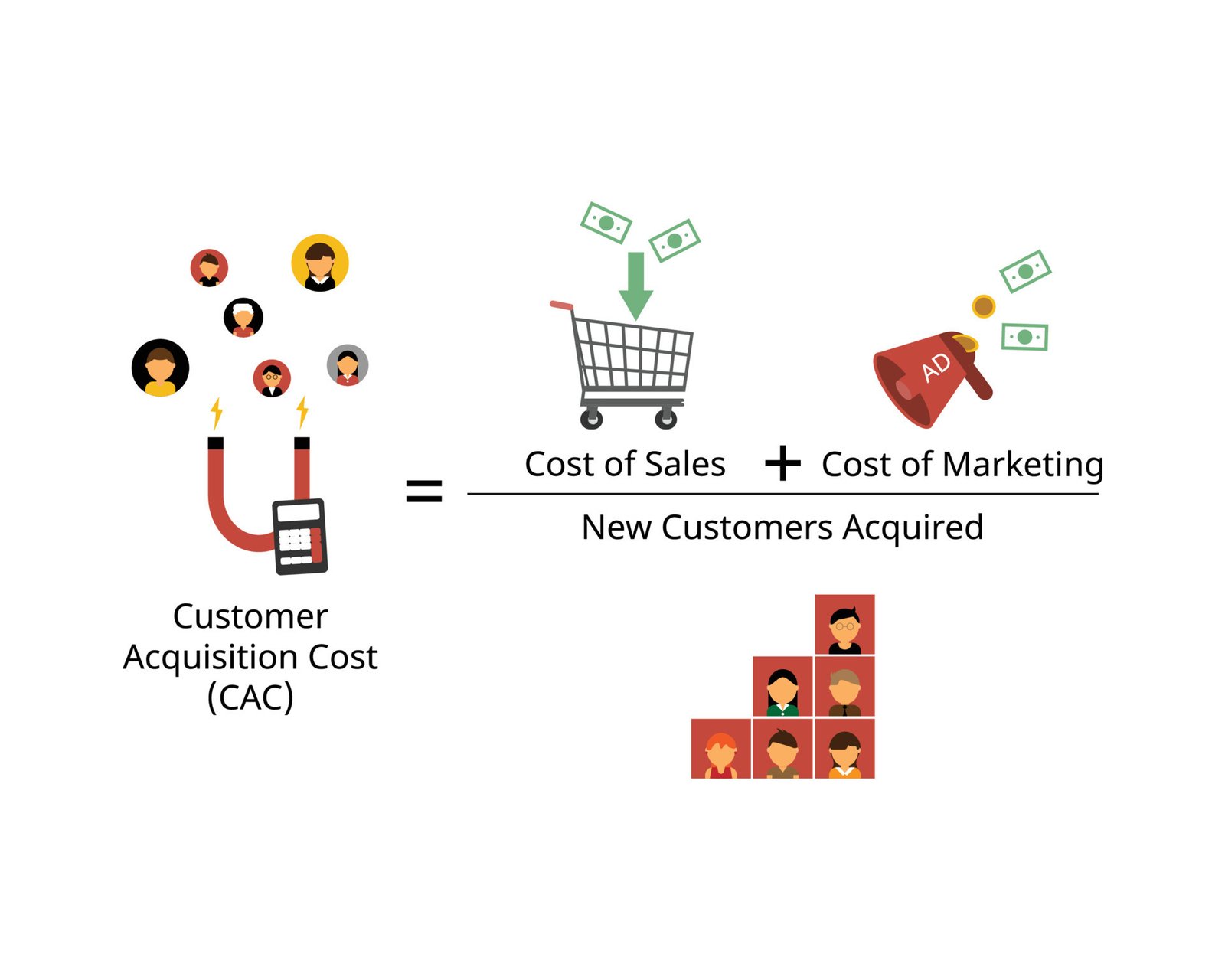
For example, a business publishing an article about reducing customer acquisition costs could offer a downloadable marketing audit checklist or a lead-generation assessment. These resources give interested readers a clear reason to engage further. The objective is not to force every user to click, but to make deeper engagement worthwhile for people who need more detailed guidance or professional support.
Common Mistakes to Avoid in Zero-Click Content Marketing
One common mistake is treating every reduction in organic traffic as evidence that content marketing has failed. Traffic declines should be investigated, but businesses should also examine impressions, brand searches, qualified leads, and other indicators of visibility and demand.
Another mistake is producing generic content solely to target AI answers or featured snippets. Content that repeats widely available information without adding original value may struggle to distinguish itself. Keyword stuffing, unsupported claims, misleading statistics, and excessive promotional language can also undermine credibility.
Businesses should avoid publishing the same article unchanged across every platform. Each channel has its own audience expectations and content formats. Finally, companies should not assume that appearing in an AI-generated response automatically produces leads or sales. Visibility must be evaluated alongside audience engagement, trust, and measurable business results.
Conclusion
Content marketing in a zero-click search environment requires a broader approach to digital visibility. Businesses can no longer depend entirely on users clicking through from search results to discover their expertise. They must create content that answers questions directly, supports AI search discovery, establishes topical authority, and reaches audiences across multiple platforms.
By combining search-intent optimisation, answer-first writing, generative engine optimisation, content repurposing, topic clusters, consistent brand positioning, and expanded performance measurement, businesses can build a more resilient content marketing strategy. The goal is not simply to generate more clicks but to ensure that the brand remains visible, credible, and memorable wherever potential customers seek information.
For businesses looking to strengthen their digital presence, Devobyte can help explore the role of strategic content, website performance, and digital solutions in building sustainable online growth. In an environment where users increasingly find answers without visiting websites, the brands that deliver meaningful value and maintain a consistent presence across discovery channels will be better positioned to earn attention and convert it into long-term customer relationships.
To read more such articles kindly visit : Devobyte