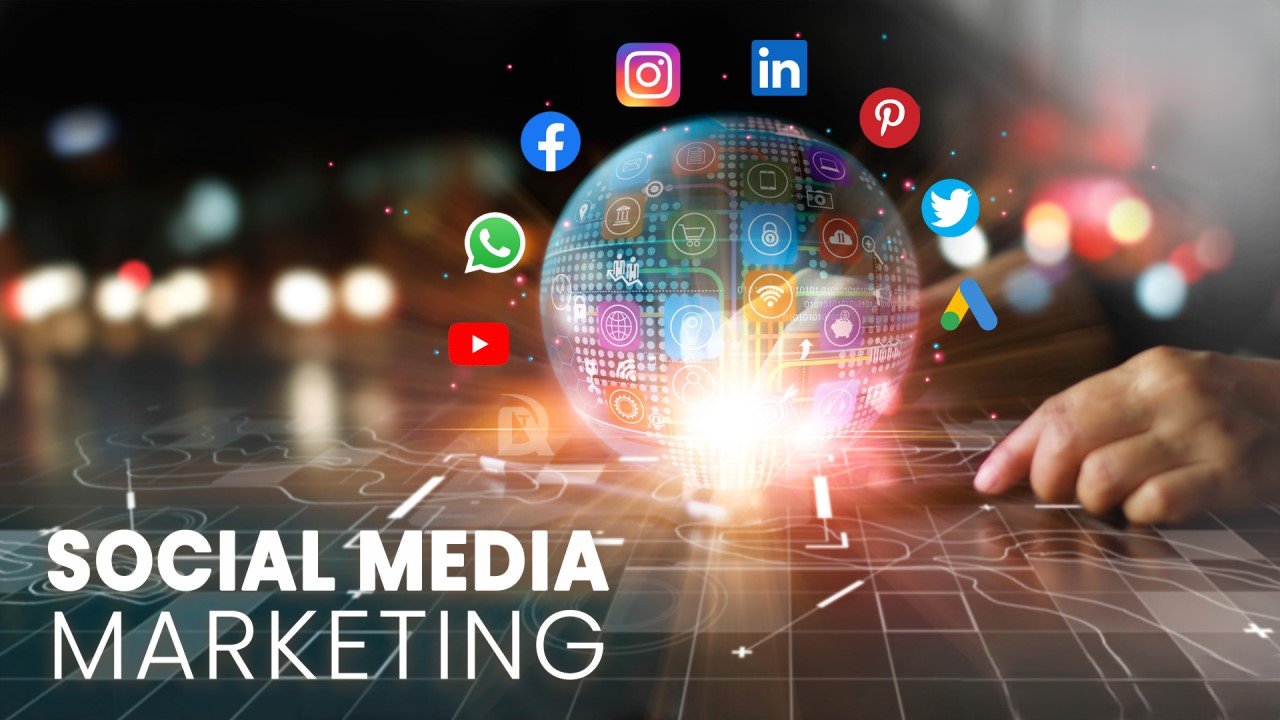
Social media has become one of the most powerful channels for businesses to connect with customers, build brand awareness, and generate sales. With billions of people using platforms such as Instagram, Facebook, LinkedIn, YouTube, and X, businesses of all sizes can use social media marketing to reach specific audiences and build meaningful relationships.
Social media marketing is not simply about publishing posts regularly. It involves creating valuable content, understanding your target audience, maintaining a consistent brand presence, engaging with followers, and measuring performance to improve results.
What Is Social Media Marketing?
Social media marketing is the process of promoting a business, product, service, or brand through social media platforms. It combines content creation, audience engagement, community building, analytics, and paid advertising to achieve specific marketing objectives.
A successful social media marketing strategy begins with understanding who your customers are and which platforms they use. A business targeting professionals, for example, may focus more heavily on LinkedIn, while a visually driven consumer brand may prioritize Instagram and YouTube.
The ultimate goal is to use social platforms strategically rather than simply trying to gain followers.
Why Is Social Media Marketing Important for Businesses?
The digital marketplace has made it easier for consumers to discover, compare, and communicate with brands online. Social media gives businesses an opportunity to participate directly in this customer journey.
One of the biggest advantages of social media marketing is increased brand awareness. Consistent and useful content can help people recognize a business and understand what it offers.
Social media can also help businesses build customer relationships. Responding to comments, answering questions, and participating in conversations can make a brand more accessible and approachable.
Another important benefit is website traffic and lead generation. Businesses can use social posts, videos, advertisements, and links to direct interested users toward their websites, landing pages, products, or contact forms.
Social media marketing can also provide valuable information about customers. Engagement metrics, comments, questions, and content performance can help marketers understand audience interests and improve their overall marketing strategy.
Major Benefits of Social Media Marketing
1. Builds Brand Awareness
Regularly sharing valuable and relevant content can increase the visibility of a business. Over time, consistent communication can help create stronger brand recognition.
2. Improves Customer Engagement
Social media allows businesses to communicate directly with their audience. Comments, messages, polls, live sessions, and interactive content can encourage two-way communication.
3. Supports Lead Generation
Social platforms can become an important source of potential customers. Businesses can use educational content, lead forms, landing pages, and targeted campaigns to attract prospects.
4. Helps Drive Website Traffic
Social media posts can direct users to blogs, product pages, service pages, newsletters, and other important sections of a website.
5. Provides Audience Insights
Social media analytics can reveal information about content reach, engagement, audience demographics, and user behavior. These insights can help marketers make better content decisions.
6. Supports Business Growth
When social media is connected with broader marketing objectives, it can support awareness, engagement, lead generation, customer retention, and sales.
How to Create an Effective Social Media Marketing Strategy
A successful strategy requires planning. Instead of posting content randomly, businesses should develop a structured approach.
Define Your Marketing Goals
The first step is to identify what you want social media to achieve. Your objective could be increasing brand awareness, generating leads, driving website traffic, improving engagement, promoting products, or building an online community.
Clear goals make it easier to select the right platforms, content formats, and performance metrics.
Identify Your Target Audience
Understanding your target audience is essential. Consider factors such as age, location, profession, interests, purchasing behavior, and online habits.
The more clearly you understand your audience, the easier it becomes to create content that addresses their needs and interests.
Choose the Right Social Media Platforms
Businesses do not necessarily need to be active on every platform. It is often more effective to focus on platforms where the target audience is most active.
For example, LinkedIn can be useful for B2B communication and professional networking, while Instagram and YouTube can be valuable for visual and video-based content.
Create Valuable Content
Content is at the heart of social media marketing. Businesses can create educational, entertaining, inspirational, informative, or promotional content depending on their objectives.
Common content formats include:
-
Short-form videos and reels
-
Educational posts
-
Infographics
-
Blog promotions
-
Customer stories
-
Product demonstrations
-
Behind-the-scenes content
-
Polls and questions
-
Industry insights
-
Testimonials and reviews
The focus should be on providing value rather than continuously promoting products.
Maintain Consistency
Consistency helps businesses establish a recognizable online presence. Create a content calendar that defines what you will publish, when you will publish it, and which platform you will use.
A consistent schedule also makes content creation more organized and manageable.
Engage With Your Audience
Social media is a communication channel, not just a broadcasting platform. Respond to relevant comments and messages, participate in conversations, and encourage users to share their opinions.
Active engagement can help businesses develop stronger online communities.
Organic vs Paid Social Media Marketing
Social media marketing generally includes both organic and paid activities.
Organic social media marketing involves creating and sharing content without directly paying for distribution. Examples include regular posts, videos, stories, community engagement, and educational content.
Paid social media marketing involves advertising through social platforms to reach selected audiences. Paid campaigns can be used for objectives such as website traffic, lead generation, product promotion, or conversions.
Businesses can combine both approaches. Organic content can build long-term relationships and credibility, while paid advertising can help reach specific audiences more quickly.
Measuring Social Media Marketing Performance
Publishing content is only one part of social media marketing. Measuring performance is equally important.
Some important metrics include:
Reach: The number of people who see your content.
Impressions: The number of times content is displayed.
Engagement rate: The level of interaction generated by content, including likes, comments, shares, saves, and other interactions.
Click-through rate: The percentage of users who click on a link or call to action.
Follower growth: The change in the number of followers over time.
Leads: Potential customers generated through social media activities.
Conversions: Desired actions completed by users, such as purchases, registrations, or enquiries.
The right metrics depend on your business goals. A brand-awareness campaign, for example, may focus more on reach and impressions, while a lead-generation campaign may prioritize leads and conversion-related metrics.
Common Social Media Marketing Mistakes
Many businesses struggle with social media because they focus on activity rather than strategy.
Common mistakes include:
-
Posting without clearly defined goals
-
Trying to use every social media platform
-
Focusing only on promotional content
-
Ignoring audience comments and messages
-
Inconsistent posting
-
Copying competitors without developing a unique identity
-
Failing to analyze performance
-
Using irrelevant hashtags or keywords
-
Creating content without understanding the target audience
Avoiding these mistakes can make social media activities more focused and effective.
The Role of Video in Social Media Marketing
Video has become an important content format across many social platforms. Short videos can communicate information quickly and make complex topics easier to understand.
Businesses can use video for tutorials, product demonstrations, customer stories, educational content, interviews, behind-the-scenes videos, and industry insights.
However, video content should still provide a clear purpose and value rather than being created simply because it is popular.
Social Media Marketing Trends
Social media marketing continues to evolve as user behavior and technology change. Businesses are increasingly focusing on short-form video, creator collaborations, community-based content, personalized communication, social commerce, and data-driven marketing.
Artificial intelligence is also becoming part of marketing workflows, helping teams with tasks such as content ideation, audience analysis, research, and campaign optimization. Human creativity, brand understanding, and quality control remain important when using these technologies.
Conclusion
Social media marketing has become an important part of modern digital marketing. It gives businesses opportunities to increase brand awareness, engage customers, generate leads, drive website traffic, and develop long-term relationships with their audiences.
The most effective approach is not simply to post more content. Businesses should understand their audience, choose relevant platforms, create valuable content, maintain consistency, engage with their communities, and regularly measure results.
With a clear strategy and a customer-focused approach, social media can become a powerful channel for building a recognizable brand and supporting sustainable business growth.